
Natural Ingredients in Skincare
Discover the science behind plant-based and natural cosmetic ingredients. Learn how vitamins, antioxidants, peptides, and botanical extracts work to support healthy, resilient skin.
Featured Ingredient: Hyaluronic Acid
This powerful humectant molecule holds up to 1000 times its weight in water, making it essential for maintaining skin hydration and elasticity. Learn how hyaluronic acid benefits different skin types.
Understanding Skincare Science
At Glowing Nutrient Lab, we believe informed skincare begins with understanding what goes on your skin. Our editorial mission is to break down complex cosmetic chemistry into accessible, practical knowledge.
We explore evidence-based ingredients — from retinol and vitamin C to natural peptides and plant-derived antioxidants — examining how each supports skin health and addresses common concerns like photoaging, dryness, and loss of elasticity.
- Science-backed content: Articles rooted in dermatology and cosmetic chemistry research
- Ingredient profiles: Detailed guides to vitamins, peptides, oils, and actives
- Practical guidance: How to identify quality natural ingredients and use them effectively
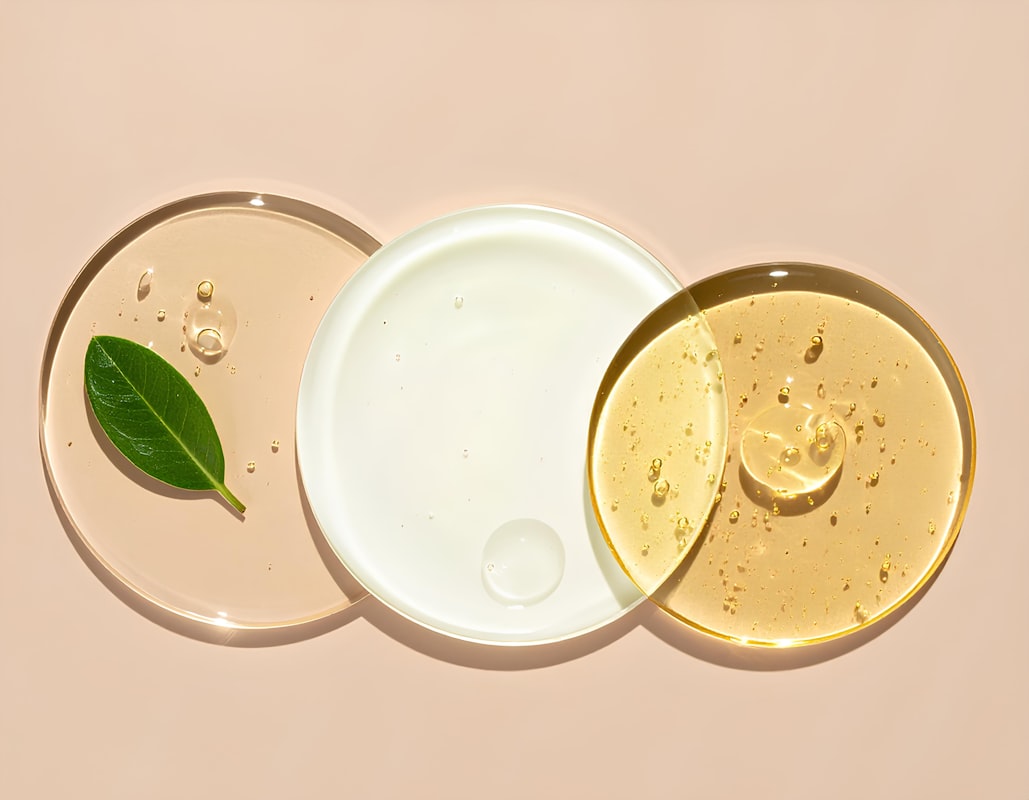
Botanical extracts and natural cosmetic ingredients used in modern skincare formulation
Key Natural Ingredients Explored
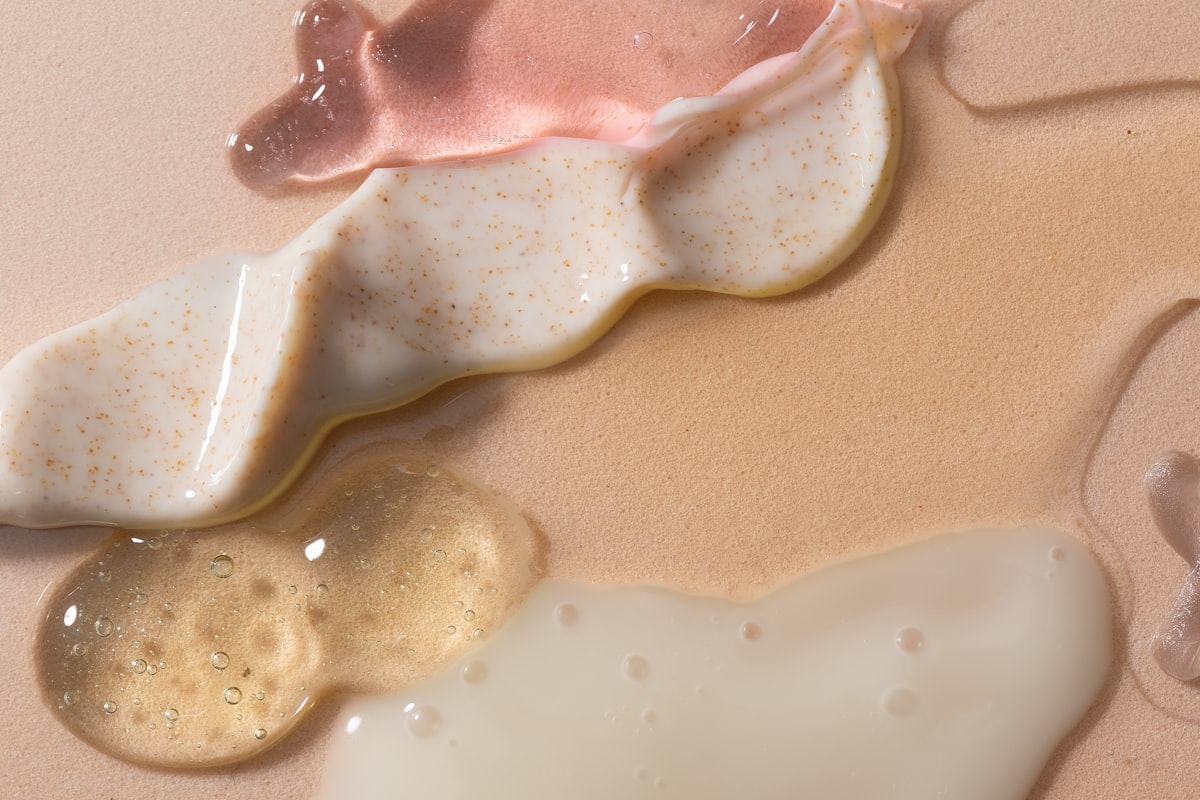
Retinol & Vitamin A
Fat-soluble vitamin that supports skin cell turnover and collagen production. Essential for addressing photoaging and maintaining skin elasticity.
Learn more →
Vitamin C
Potent antioxidant that brightens skin tone, boosts collagen synthesis, and provides protection against environmental stressors and photoaging.
Learn more →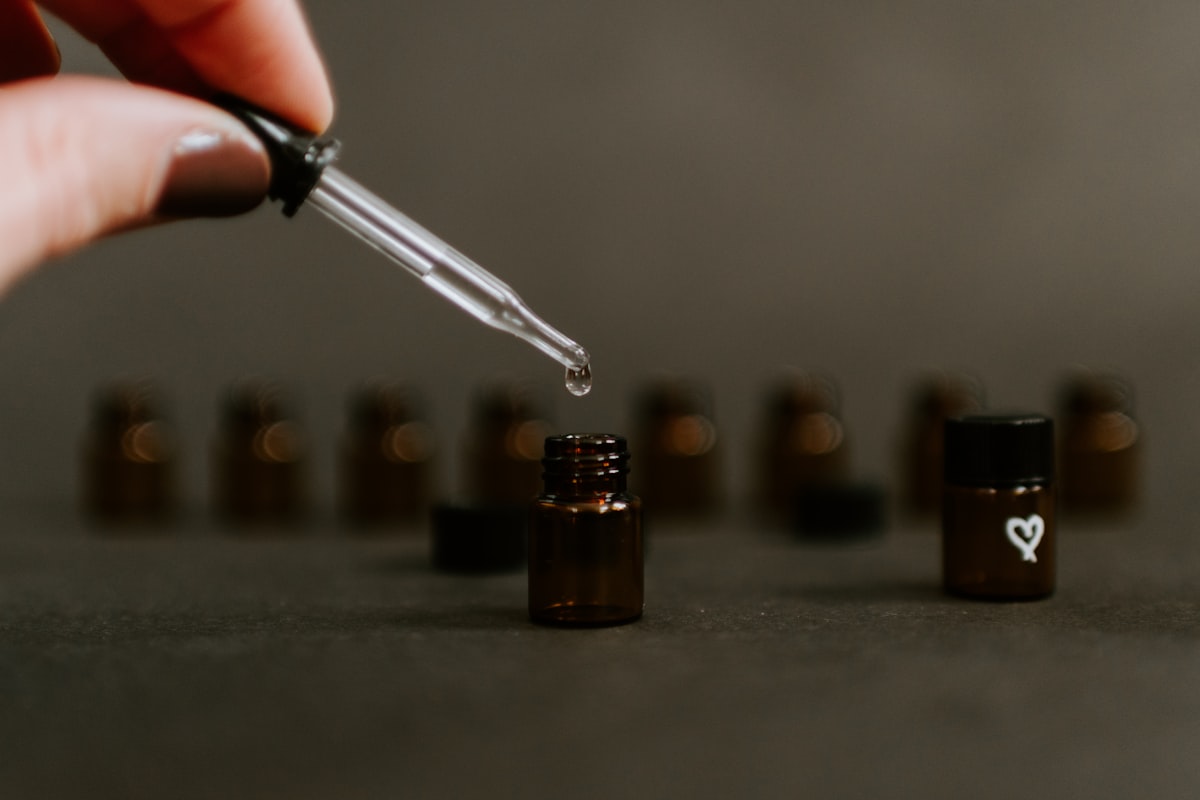
Hyaluronic Acid
Humectant that draws moisture deep into skin layers. Crucial for skin hydration and maintaining plump, elastic appearance across all skin types.
Learn more →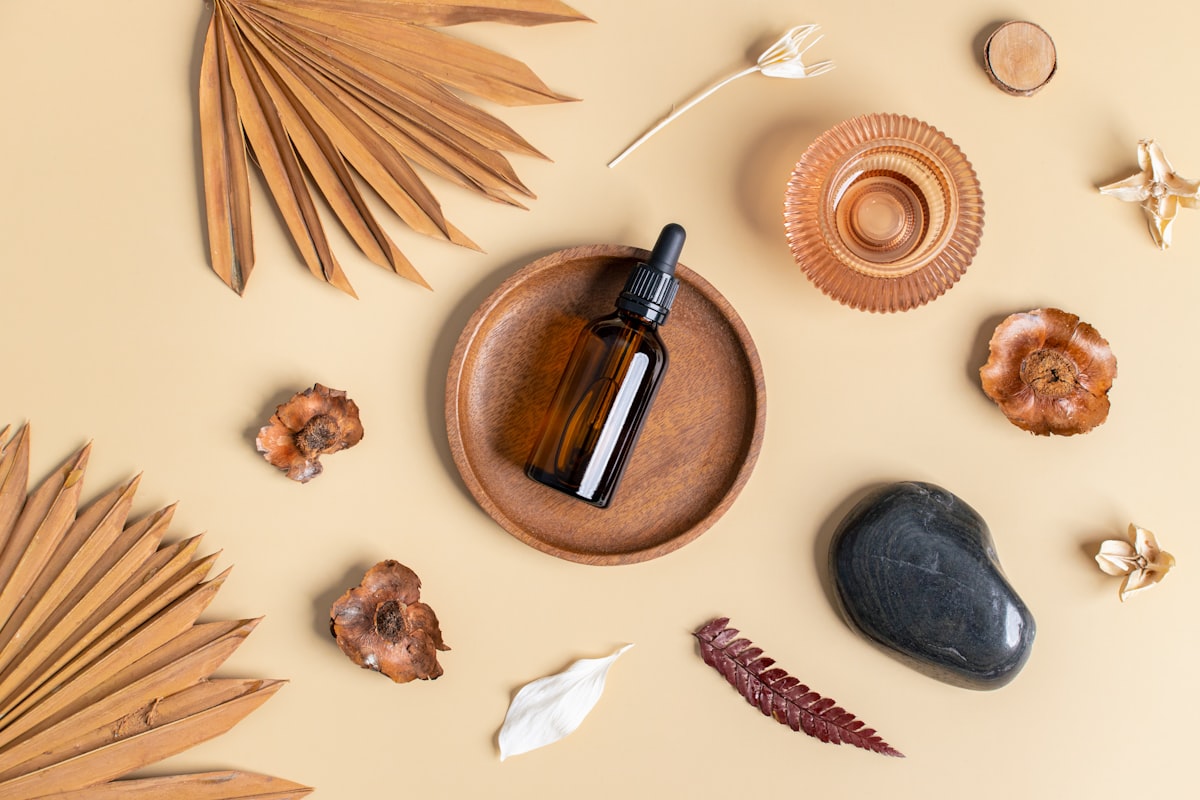
Peptides
Short amino acid chains that signal skin cells to boost collagen and elastin. Support skin elasticity and resilience against environmental damage.
Learn more →
Antioxidants
Plant-derived compounds like polyphenols and flavonoids neutralize free radicals. Essential for protection against photoaging and maintaining skin barrier integrity.
Learn more →
Botanical Oils
Plant-derived oils rich in vitamins and fatty acids that nourish, protect, and support skin barrier function and hydration maintenance.
Learn more →How Natural Ingredients Support Skin Health
Skin Hydration
Humectants like hyaluronic acid and glycerin draw moisture into the skin, while emollients seal it in. Proper hydration is the foundation of healthy skin appearance and function.
Skin Elasticity
Peptides, retinol, and vitamin C stimulate collagen and elastin production. These structural proteins maintain skin firmness and resilience, supporting a youthful appearance.
Barrier Protection
Antioxidants neutralize free radicals while ceramides and oils strengthen the skin barrier. Protection against environmental stressors and photoaging is crucial for long-term skin health.
Natural Source Materials
Plant-based ingredients are often gentler and contain multiple beneficial compounds. Understanding cosmetic ingredients from their natural origins helps identify quality formulations.
Scientific Formulation
Modern cosmetic chemistry combines traditional botanical knowledge with scientific research. Proper concentration and pH balance maximize ingredient effectiveness and compatibility.
Evidence-Based Selection
Choosing ingredients backed by dermatological research ensures you're using compounds with documented benefits for skin health and appearance outcomes.
Reader Testimonials
What our readers say about learning from our ingredient guides and skincare education content.
"I've struggled to understand skincare ingredient labels for years. Your detailed guides on retinol, vitamin C, and hyaluronic acid finally made it click. I learned how to properly layer products and what to look for when choosing formulations. The content is thorough, clear, and actually science-based instead of marketing fluff."
Emma Virtanen
Helsinki
"As someone with sensitive skin, I appreciate your honest breakdown of which natural ingredients are genuinely beneficial versus just trendy. The article on antioxidants and photoaging protection changed how I think about sun protection and skincare routine building. Bookmarked for regular reference."
Mika Nieminen
Espoo
"I spend a lot of money on skincare products and want to know what I'm actually putting on my face. Your ingredient profiles have helped me understand peptides, ceramides, and botanical oils. I now make informed choices instead of buying based on packaging. The science is presented without being overwhelming."
Liisa Saarinen
Tampere
"As a skincare enthusiast, I appreciate how Glowing Nutrient Lab goes deeper than typical beauty blogs. The articles on skin hydration mechanisms, elasticity support, and barrier protection actually explain the 'why' behind skincare routines. I've recommended this site to several friends who are tired of beauty marketing claims."
Anna Kokkonen
Turku
Frequently Asked Questions
Natural ingredients are derived directly from plants, minerals, or animals, while synthetic ingredients are created in laboratories through chemical processes. Both can be effective — the key is understanding what each ingredient does. Natural doesn't automatically mean better or safer; conversely, synthetic ingredients can be highly refined and predictable. What matters is the concentration, formulation quality, and dermatological evidence supporting each ingredient's benefits for skin health.
Look for products that list active ingredients with their concentration percentages. High-quality formulations feature botanical extracts and vitamins listed early in the ingredient list (indicating higher amounts). Check for third-party testing certifications and look for recognizable, research-backed ingredients like retinol, vitamin C, hyaluronic acid, and peptides. Be wary of vague terms like "proprietary blend" that hide actual ingredient amounts. Reading the full ingredients list and understanding what each component does is essential for making informed choices.
Yes, natural ingredients can cause irritation, especially for sensitive skin types. Plant extracts contain multiple compounds, and some individuals may react to specific components. Common irritants include essential oils, citrus extracts, and certain botanicals. It's important to patch-test any new product first and introduce active ingredients gradually. Natural doesn't mean universally safe — everyone's skin chemistry is different. Start with lower concentrations and build tolerance over time if using potent ingredients like retinol or vitamin C.
Antioxidants neutralize free radicals created by UV exposure and environmental pollutants — these unstable molecules damage collagen and elastin, accelerating photoaging. Ingredients like vitamin C, vitamin E, polyphenols, and plant extracts work by donating electrons to free radicals, rendering them harmless. While antioxidants provide important protection, they work best combined with broad-spectrum sunscreen, which blocks UV rays at the source. Using antioxidant-rich skincare products supports overall skin resilience and helps maintain skin elasticity.
Results vary depending on the ingredient and your skin type. Some benefits appear quickly — hydrating ingredients like hyaluronic acid can plump skin within days. Others work gradually: retinol supports collagen production over weeks to months; antioxidants build protection with consistent use. Most dermatologists recommend 4-12 weeks of consistent use before assessing effectiveness. Skin cell turnover takes about 28 days, so patience is essential. Environmental factors, lifestyle, sleep quality, and hydration also influence how quickly you see changes in skin appearance and health.
Peptides are short chains of amino acids that act as signaling molecules in skin. When applied topically, they tell skin cells (fibroblasts) to produce more collagen and elastin — the proteins responsible for firmness and elasticity. Different peptides target different cellular processes; some stimulate collagen synthesis, while others may support skin barrier function. Peptides work synergistically with other ingredients like vitamin C and retinol. While results are gradual, regular use supports long-term skin resilience and helps maintain structural integrity as skin ages naturally.
Have more questions? Browse our complete FAQ page for more detailed answers about skincare ingredients and formulation.
Deepen Your Skincare Knowledge
Explore comprehensive guides on natural ingredients, learn how different cosmetic ingredients support skin health, and make informed choices about your skincare routine.